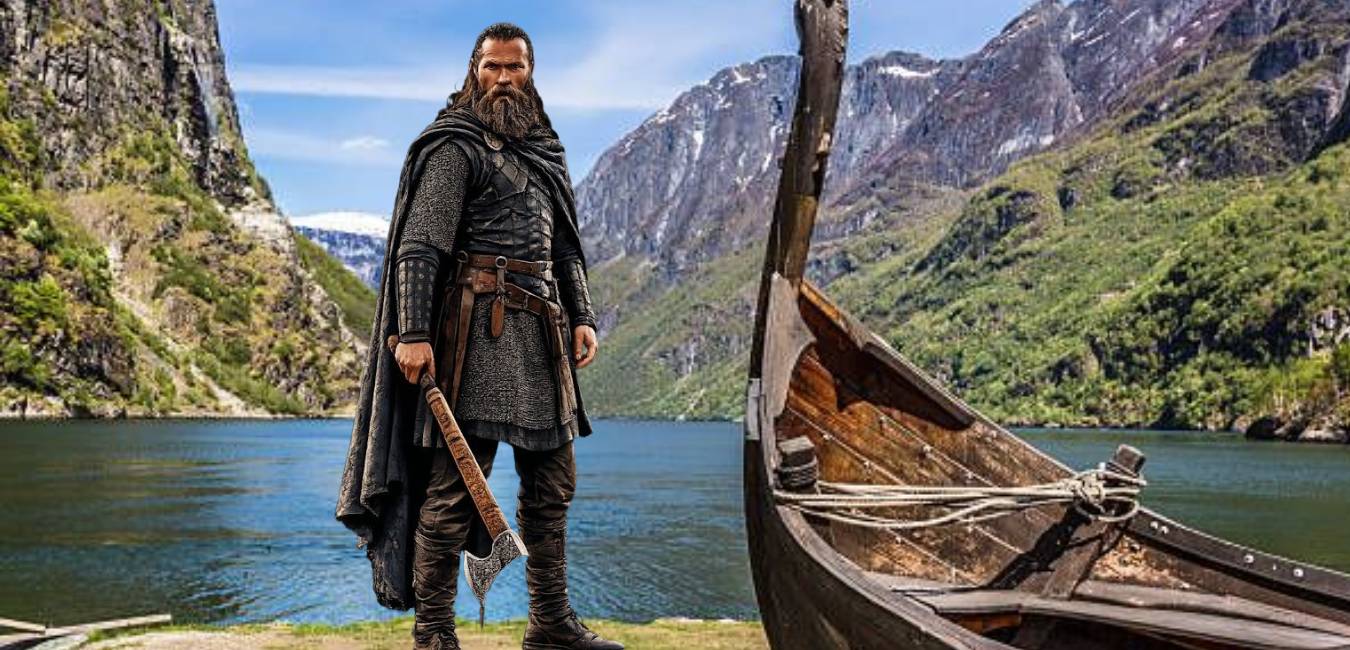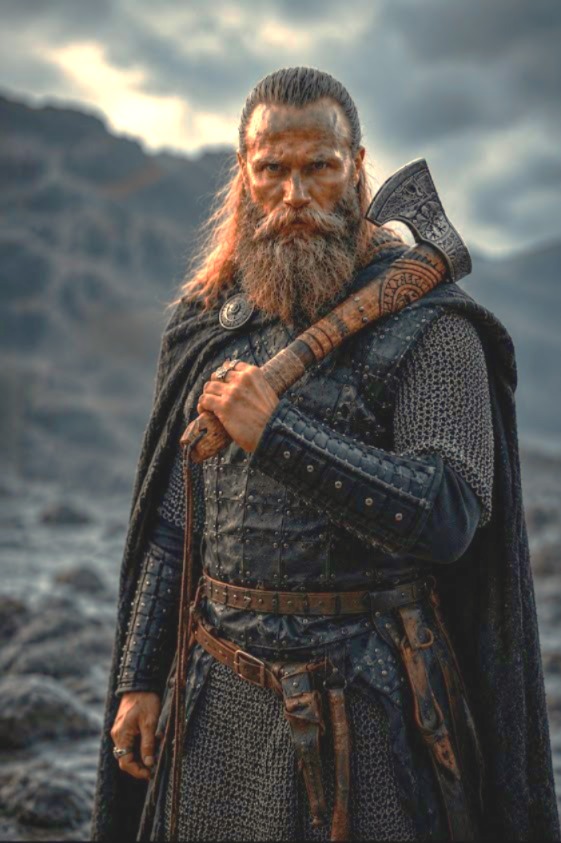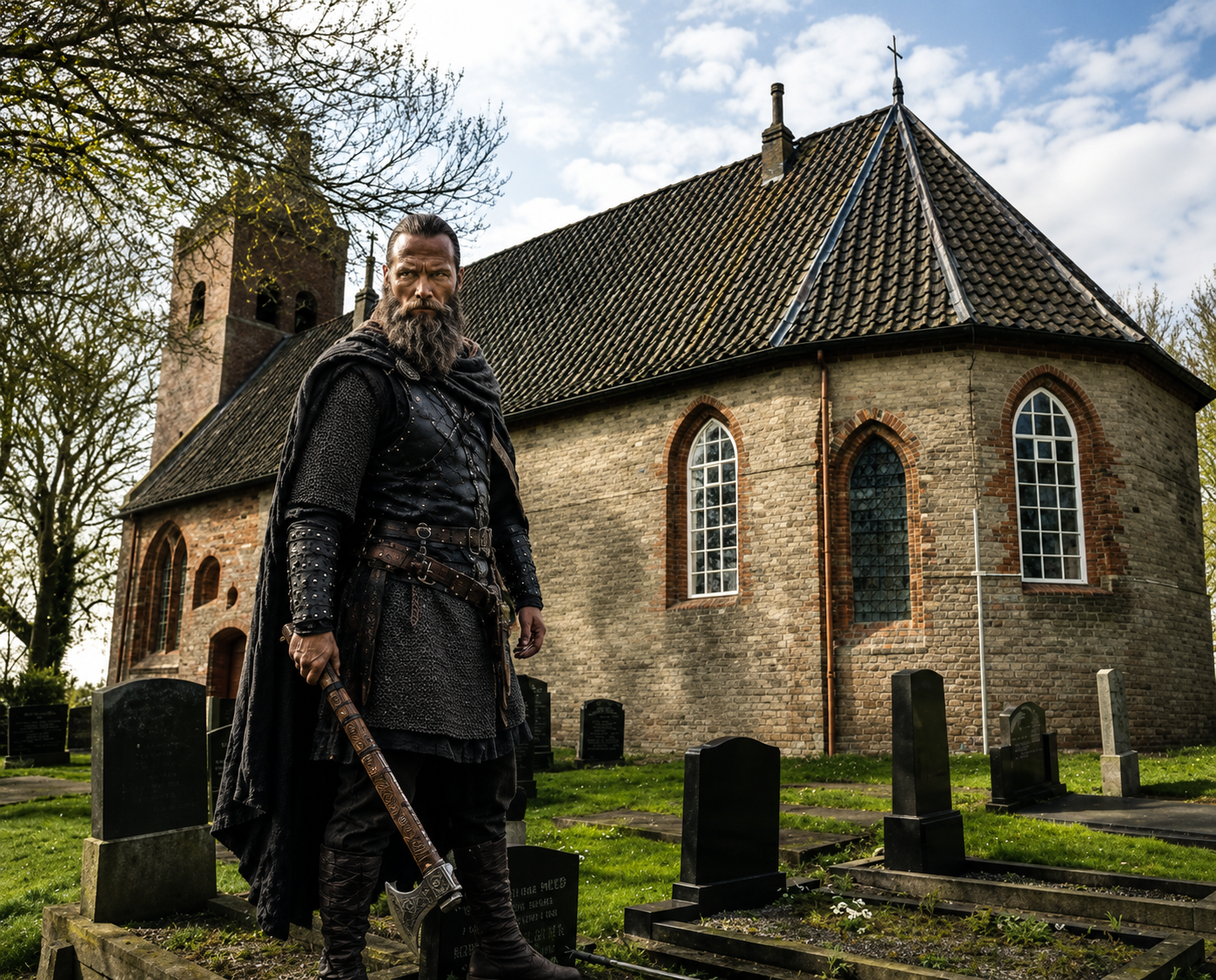
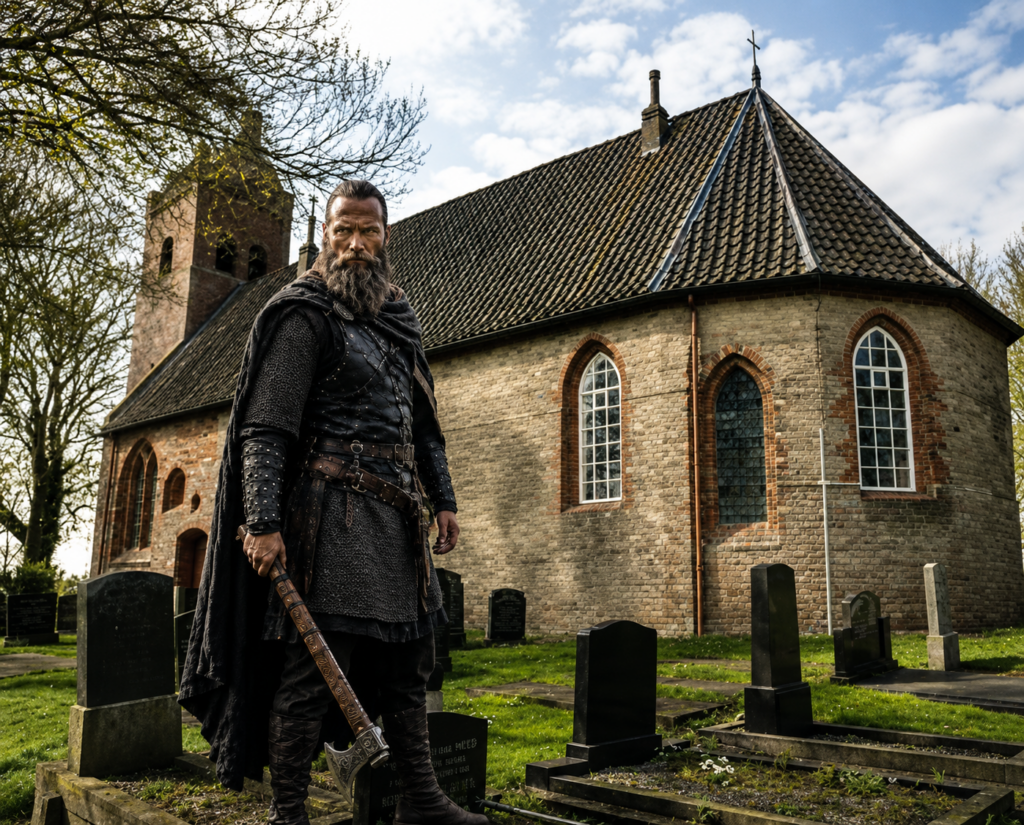
The rider came out of the western dusk just as the bells of Saint-Victor began to ring.
The sea winds of Provence carried the smell of salt and woodsmoke through the narrow roads leading toward Marseille. Beyond the monastery walls, the world was unsettled. Kingdoms rose and fell with alarming speed. Lords fought for land. Raiders crossed the sea. Pilgrims disappeared on lonely roads.
Yet through the uncertainty, one thing remained constant: the Church endured.
The rider urged his horse forward and looked toward the great abbey. Its stone towers stood against the fading sky like guardians of a different age. Monks moved behind the walls carrying lamps as evening prayers approached.
He had traveled far.
For weeks he had followed the roads of southern France, passing ruined watchtowers, isolated farms, and villages still recovering from generations of violence. Everywhere he went, people spoke of danger. Merchants traveled in groups. Priests feared the roads after dark. Farmers abandoned fields near disputed territories.
Something was changing.
The old order of Charlemagne had faded. The empire that once united much of western Europe had fractured into competing powers. Authority was scattered among local rulers, bishops, abbots, and ambitious nobles.
Where law weakened, force filled the void.
Yet in this chaos, new men were beginning to appear.
Some served local lords.
Others defended monasteries.
Some escorted pilgrims.
Others protected roads, bridges, and church lands.
No single order bound them together. No grand rule governed their actions. Yet they shared a common purpose: to defend Christian communities in a dangerous world.
The rider had heard whispers of them throughout his journey.
Milites.
Warriors.
Protectors.
Men who carried swords not merely for conquest, but for service.
The idea was still young.
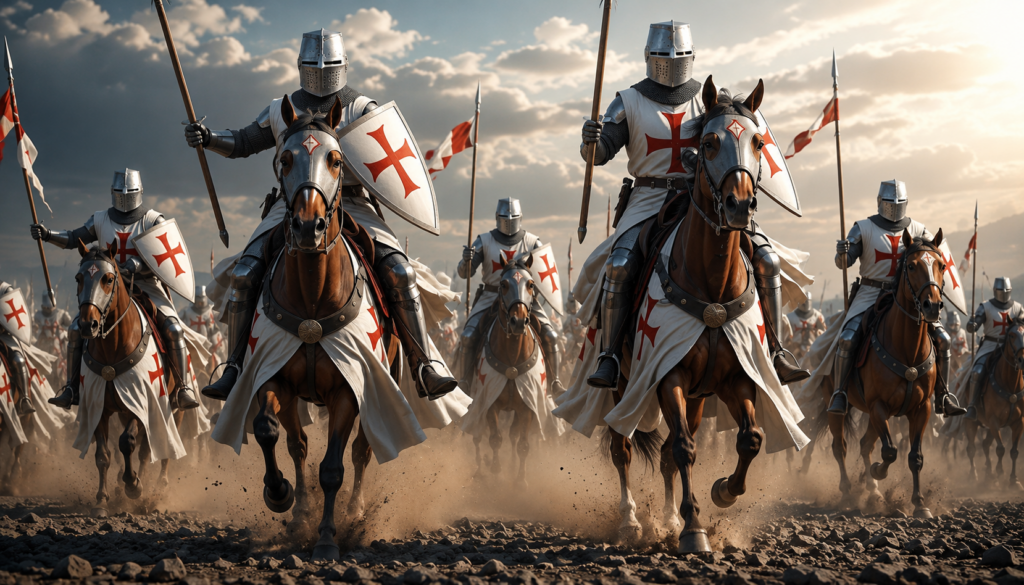
Centuries would pass before military orders such as the Templars emerged. Yet the foundations were already being laid across Europe. In monasteries, bishoprics, frontier settlements, and contested territories, the relationship between faith and warfare was beginning to evolve.
The rider dismounted outside the gates of Saint-Victor.
A monk greeted him.
“Peace be with you, traveler.”
“And with you,” the rider replied.
The monk noticed the dust of many roads upon the man’s cloak.
“You have come far.”
“I follow a trail.”
The monk smiled.
“Many do.”
The rider looked toward the abbey church.
“No,” he said quietly. “Not that kind of trail.”
The monk raised an eyebrow.
“What trail, then?”
The rider stared toward the darkening horizon.
“The forgotten paths.”
For somewhere in the archives of Europe, hidden within fading charters and neglected manuscripts, lay the story of men who stood between chaos and order. Men whose names were largely forgotten but whose actions helped shape the medieval world.
The search had begun.
And Saint-Victor was only the first stop along the road.
Continue your Pathfinder article readings here:
Related Articles:
Miles Christi: The Rise of the Soldiers of Christ (900-1100)
Miles Christi Before the Templars: The Emergence of a Christian Military Identity
Miles Christi: Before the Templars and the Rise of the First Soldiers of Christ
The rider came out of the western dusk just as the bells of Saint-Victor began to ring.
The sea winds of Provence carried the smell of salt and woodsmoke through the narrow roads leading toward Marseille.
Beyond the monastery walls, the world was unsettled. Villages along the coast still carried the scars of raids and warfare.
Watchfires burned on distant heights. Merchants traveled armed when they could afford protection, and pilgrims often vanished along the roads between the mountains and the sea.